Transport Modelling
Bandung & Medan Bus Rapid Transit Appraisal
The World Bank Group · 2021–2022
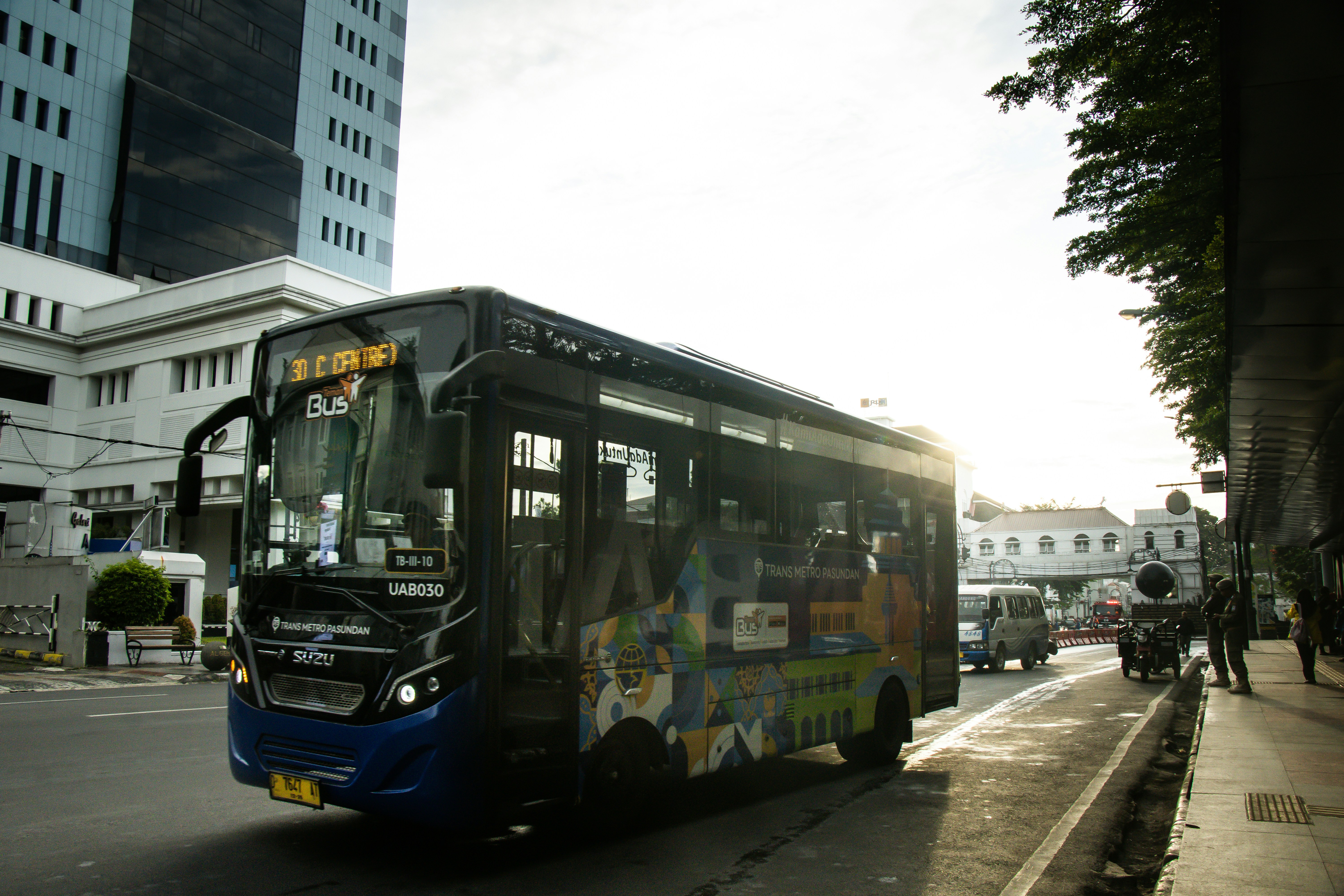
Overview
As part of the transport team at The World Bank Group, I contributed to transport project appraisals and feasibility studies for the Bandung and Medan Bus Rapid Transit systems, two of Indonesia’s most significant urban mobility investments at the time.
The core challenge was building a credible, data-driven evidence base to assess project viability across two distinct cities with different urban morphologies, ridership profiles, and existing public transport networks.
Approach
The analysis centred on GTFS (General Transit Feed Specification) modelling, which allowed the team to simulate network-level impacts of the BRT corridors and quantify changes in travel time, accessibility, and ridership.
Key workstreams included:
- Demand modelling: Managed and processed millions of rows of Origin-Destination data to estimate corridor-level passenger demand under multiple growth scenarios.
- GTFS network construction: Built route, stop, and timetable data in GTFS format to enable schedule-based transit simulation and isochrone analysis.
- Financial analysis: Contributed to the project financial model, assessing capital cost allocation, farebox recovery assumptions, and long-term operating viability for the port and BRT components.
- Feasibility reporting: Synthesised technical and financial outputs into structured appraisal documentation aligned with World Bank project cycle requirements.
Outcome
The appraisals provided the World Bank transport team with a technically rigorous, evidence-based assessment of both BRT systems, supporting investment decisions and programme development for urban mobility improvement across two major Indonesian cities.
Client
The World Bank Group
Location
Bandung & Medan, Indonesia
Year
2021–2022
Tools
Solutions
- Transport demand forecasting
- Feasibility assessment
- GTFS network modelling
- Urban mobility impact analysis